
5 interesting facts about Manchester Unitedx: Survived through bankruptcy by a dog?
The journey to uncover the most interesting facts about Manchester United takes us through over a century of triumph, tragedy, and bizarre coincidences that shaped a global powerhouse. According to the historical archives on Livescore808, the club’s identity is built on a foundation of resilience, ranging from its humble beginnings as a railway team to its status as a commercial giant today.
These stories aren't just trivia; they are the pillars of the United DNA, reflecting a spirit that has survived world wars, financial ruins, and managerial transitions. Mastering the lore of the Theater of Dreams is essential for any supporter wishing to appreciate the true depth of the most successful club in English top-flight history.
5 interesting facts about Manchester United that you may not know
5. The industrial roots involving the English railway industry
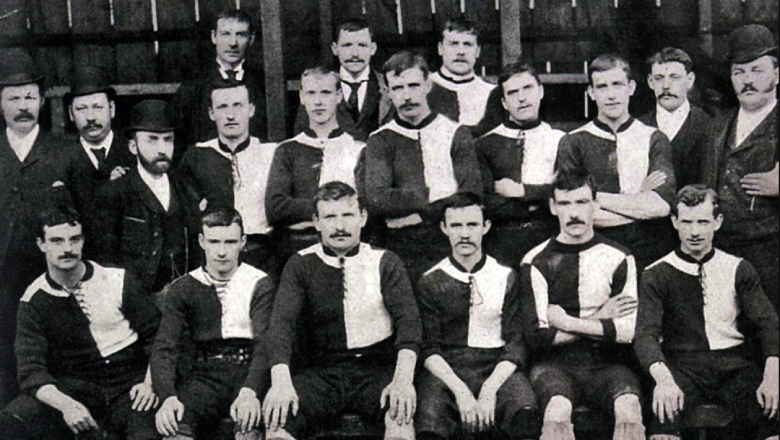
The club’s origins trace back to 1878, when it was established under the name Newton Heath LYR (Lancashire and Yorkshire Railway) Football Club. Founded by the workers in the Carriage and Wagon department, the team initially played on a pitch in North Road that was often shrouded in thick steam from passing locomotives.
In those early years, the squad consisted primarily of railway employees who competed against other rail companies and local departments. It wasn't until 1902 that the club moved away from its industrial roots, undergoing a complete rebranding to become the Manchester United we recognize today, though the "Railwaymen" spirit remains a core part of their historical narrative.
4. How a dog saved the club from bankruptcy?
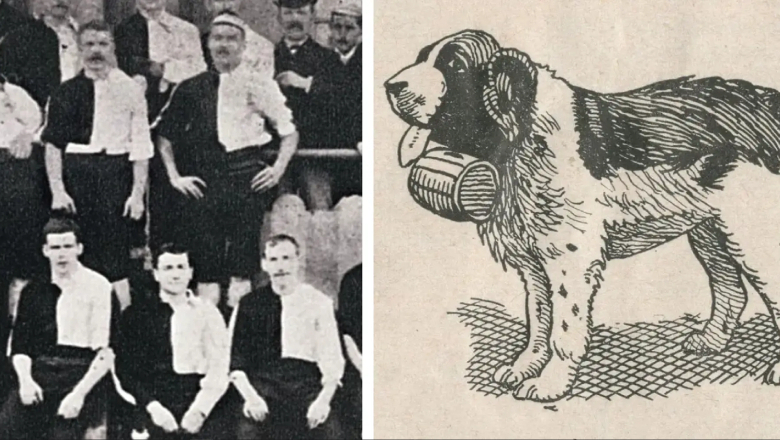
Manchester United’s survival in 1901 was miraculously secured by a Saint Bernard dog named Major, belonging to captain Harry Stafford. At a time when the club was drowning in debt and facing imminent bankruptcy, the dog went missing during a fundraising bazaar at the St. James’ Hall. Major was found by John Henry Davies, a wealthy brewery owner, who was so charmed by the animal that he sought out its owner.
This chance meeting led to a partnership between Stafford and Davies, who eventually led a group of investors to rescue the club. Davies became the new chairman, renamed the team, and funded the construction of Old Trafford in 1910.
3. The final piece of chewing gum from Sir Alex Ferguson
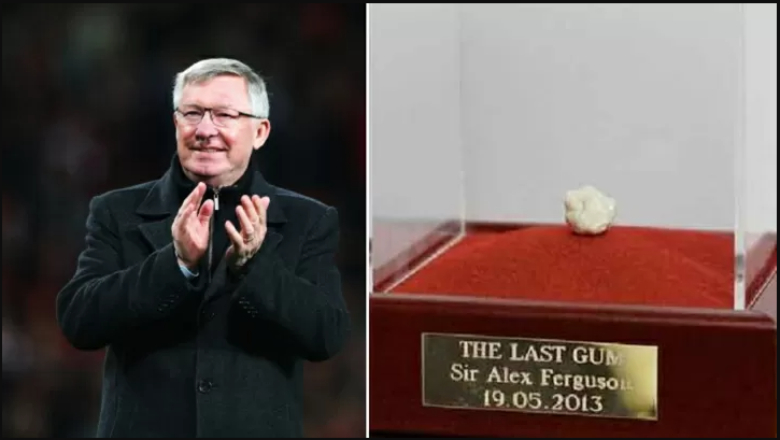
The legendary Sir Alex Ferguson was almost never seen without his trademark chewing gum, a habit he used to manage the intense stress of over 1,500 matches in charge. Following his final game against West Bromwich Albion in 2013, a fan reportedly retrieved the last piece of gum he spat out on the Hawthorns pitch.
This bizarre relic was later placed in a custom wooden case and auctioned on eBay, where it fetched a staggering £390,000. All proceeds from this extraordinary sale were donated to the Manchester United Foundation, proving that even the smallest fragments of Ferguson’s 26-year legacy continue to benefit the local community long after his retirement.
2. A long exile at the stadium of Manchester City
The devastation of World War II left an indelible mark on the club when Old Trafford was heavily damaged by a German air raid on March 11, 1941. With the main stand destroyed and the pitch rendered unplayable, United found themselves homeless during one of the most difficult periods in British history.
In a rare act of local solidarity, rivals Manchester City allowed United to play their home fixtures at Maine Road. This groundshare lasted for eight years until 1949, with United paying an annual rent of £5,000 plus a percentage of gate receipts. The club finally returned to a rebuilt Old Trafford on August 24, 1949, for a match against Bolton Wanderers.

1. The nearly-90-year legendary academy streak
Manchester United maintains an incredible streak, having included at least one home-grown player in every matchday squad since October 30, 1937. This run has spanned over 4,300 consecutive matches, reflecting a deep-rooted commitment to youth.
In November 2025, the record was under immense threat due to an injury crisis ahead of a crucial fixture against Tottenham. However, manager Ruben Amorim preserved the 88-year tradition by calling up 18-year-old midfielder Jack Fletcher, son of club legend Darren Fletcher. By handing Fletcher his inclusion and debut, Amorim ensured the academy legacy remained intact, highlighting the club's unwavering trust in its youth system during the most challenging periods.

5 interesting facts about Manchester United:
1. For nearly 90 years, Man United academy have maintained a streak of having included at least one home-grown player in every matchday squad
2. Man United had a long exile at the stadium of Man City due to Old Trafford' World War II damaging
3. Sir Alex Ferguson's last piece of chewing gum fetched £390,000 at auction
4. A Saint Bernard dog saved the club from bankruptcy in 1902
5. The club establishment involved the English railway industry
The extraordinary history of the Red Devils proves that success is forged through a combination of visionary leadership and remarkable strokes of luck. Analyzing những interesting facts about Manchester United offers a profound perspective on how a railway team transformed into a global institution that continues to define the standards of professional excellence in 2026.
From the heroic rescue by John Henry Davies to the gloriuos victories under Sir Matt Busby and Sir Alex Ferguson eras, the club's narrative is one of unwavering resilience. As the modern era unfolds, these stories serve as a reminder that the spirit of Old Trafford is built on more than just trophies. It is built on a century of legendary tradition and a relentless commitment to its own unique identity.
Reviewing these historical milestones is essential for fans who want to sharpen their football predictions for the club's future success. For the most reliable match data and professional insights, visit livescore808.mobi to stay informed about every development at the Theater of Dreams.
The Most Popular
-
 How many months in a La Liga season? Inside the intense annual calendar of Spanish giants
 -
 Australia football team kit history: How the Socceroos changed their look over the decades?
 -
 5 France biggest losses in football history: Three of them came from an arch-rival
 -
 All Messi records that you need to know: The whole world El Pulga had conquered!
 -
 Top 17 players who played for both Chelsea and Arsenal: No.1 signing triggered a bitter lawsuit between two London clubs
 -
 What position does Neymar play? “Little Pelé” and the playing style behind a legend
 -
 Belgium national football team players World Cup 2026: 10 Red Devil stars ready to steal the show this summer
 -
 Why did Makelele leave Real Madrid? Zidane’s warning and the dawn of the first Galacticos downfall
 -
 How much did Real Madrid pay for Beckham? Blockbuster signing with influence far beyond football
 -
 How much did Man City pay for Jack Grealish? The journey from England’s most expensive player to a forgettable flop