
Five reasons Real Madrid parted ways with Xabi Alonso, Vinícius Jr. clash tops the list
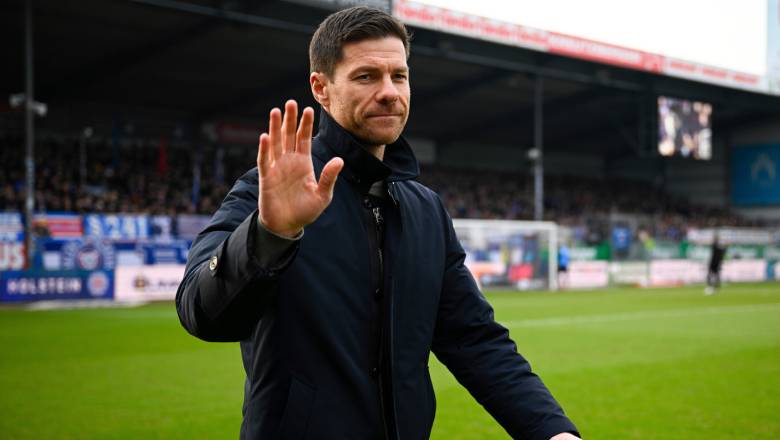
On Monday, Real Madrid confirmed that Xabi Alonso had left the club with immediate effect, bringing an end to a short tenure that began with the Club World Cup in North America and concluded with defeat in the 2026 Spanish Super Cup final.
Many believed the loss to Barcelona was the decisive factor, but several underlying problems had already weakened Alonso’s position. Here are five key reasons behind the split.
Disappointing results on the pitch
Results were not the sole reason, but they were clearly central. In his first month, Alonso failed to guide Real Madrid to Club World Cup glory, suffering a heavy 0-4 defeat to Paris Saint-Germain in the semi-finals. After a promising start in domestic competition, performances declined sharply. The turning point came with a humiliating 2-5 defeat to Atlético Madrid, followed by a series of unconvincing displays, culminating in the 2-3 loss to Barcelona in the Spanish Super Cup final.
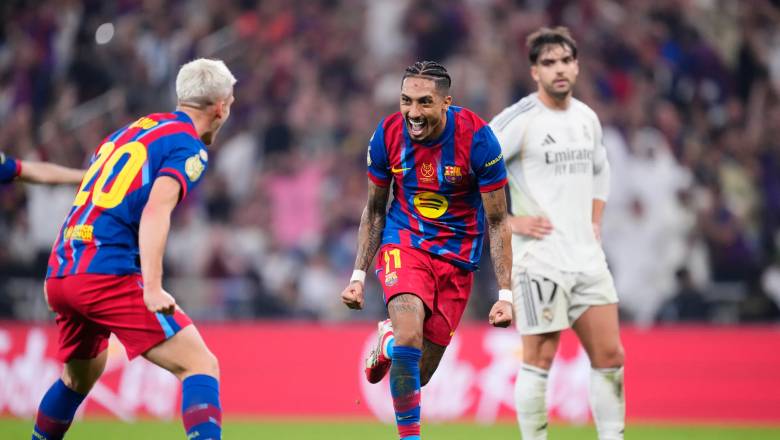
Lack of energy and pressing
At Bayer Leverkusen, Alonso built an intense, high-pressing side capable of quickly recovering possession. He attempted to replicate that approach in Madrid, but the squad was ill-suited to such demands. Real Madrid’s traditional strengths lie in counter-attacking and decisive moments rather than sustained pressing. Key stars such as Vinícius Jr. and Kylian Mbappé are expected to conserve energy for transitions, not constant defensive work. As a result, Madrid often looked passive without the ball, lacking cohesion and intensity when opponents dominated possession.
No creativity in midfield
The departures of Toni Kroos and Luka Modrić left a creative vacuum that was never filled. Aurélien Tchouaméni, Eduardo Camavinga and Federico Valverde are dynamic and physical midfielders, but none are natural tempo-setters. Jude Bellingham and Arda Güler offer creativity, yet Bellingham was frequently deployed out of position, while Güler lost both form and his starting role after an encouraging start. Alonso reportedly requested a creative midfielder, but the club hierarchy declined to act.
Persistent issues against low-block teams
This was a problem inherited from the final season under Carlo Ancelotti and never solved. Against deep-defending opponents, Madrid struggled to progress the ball through midfield. Alonso often resorted to long passes, as seen against Atlético in the Super Cup, when Thibaut Courtois played an unusually high number of direct balls to Jude Bellingham and Gonzalo García to bypass pressure. Injuries to key defenders and the absence of consistent buildup options only worsened the situation, leaving Madrid looking blunt and predictable.
The Vinícius Jr. problem
Tensions between Alonso and Vinícius Jr. emerged almost immediately after the coach’s arrival. Alonso’s detail-oriented, interventionist approach contrasted sharply with Ancelotti’s more flexible management style. Vinícius, who thrived under Ancelotti, struggled to adapt. He was substituted early on several occasions, openly showing frustration. A prolonged goal drought further strained the relationship, which reportedly deteriorated to the point of affecting the dressing room atmosphere. Alonso is believed to have lost authority within the squad, accelerating the club’s decision.
With Alonso’s departure now confirmed, Real Madrid have turned to former defender Álvaro Arbeloa as interim manager while the club searches for a long-term solution for the remainder of the season.
The Most Popular
-
 How many months in a La Liga season? Inside the intense annual calendar of Spanish giants
 -
 Australia football team kit history: How the Socceroos changed their look over the decades?
 -
 5 France biggest losses in football history: Three of them came from an arch-rival
 -
 All Messi records that you need to know: The whole world El Pulga had conquered!
 -
 Top 17 players who played for both Chelsea and Arsenal: No.1 signing triggered a bitter lawsuit between two London clubs
 -
 What position does Neymar play? “Little Pelé” and the playing style behind a legend
 -
 Belgium national football team players World Cup 2026: 10 Red Devil stars ready to steal the show this summer
 -
 Why did Makelele leave Real Madrid? Zidane’s warning and the dawn of the first Galacticos downfall
 -
 How much did Real Madrid pay for Beckham? Blockbuster signing with influence far beyond football
 -
 How much did Man City pay for Jack Grealish? The journey from England’s most expensive player to a forgettable flop