
How many clubs did Nicolas Anelka played for? Discover the whole monumental career of the French forward
In an era where players often seek the comfort and security of a long-term home, Nicolas Anelka thrived on the thrill and challenge of the next destination. He was football’s ultimate "hired gun," a striker whose clinical efficiency in front of goal was matched only by his restless willingness to pack his bags and conquer an entirely new league. For Anelka, football was never about settling down; it was about the next challenge, the next system, and the next goal.
This deep dive by livescore808 moves beyond the simple list of teams to analyze the profound impact of a man who was often misunderstood by the public but always in high demand by elite managers. From the rainy, gritty pitches of northern England to the high-pressure, star-studded atmosphere of the Santiago Bernabéu, Anelka’s itinerary is essentially a map of modern European footballing history.
It is a story of a player who didn't just change shirts; he changed the destiny of the clubs he touched, leaving behind a trail of decisive goals and major silverware that few of his peers could hope to replicate across so many different environments.
How many clubs did Nicolas Anelka played for?
Nicolas Anelka represented 12 professional clubs throughout a senior career that established him as the most traveled elite forward of his generation. His path saw him feature for Paris Saint-Germain, Arsenal, Real Madrid, Liverpool, Manchester City, Fenerbahce, Bolton Wanderers, Chelsea, Shanghai Shenhua, Juventus, West Bromwich Albion, and Mumbai City.
Across this vast journey, Anelka recorded 508 club appearances and 157 goals in senior league football. While he was often unfairly labeled a "mercenary" by critics who mistook his quiet nature for a lack of commitment, his statistical output remained remarkably high at every stop. He commanded massive, record-breaking transfer fees throughout the late 1990s and 2000s, proving that despite his nomadic nature, he possessed the rare and valuable ability to adapt his tactical role to suit the most demanding and tactically diverse managers in the world.
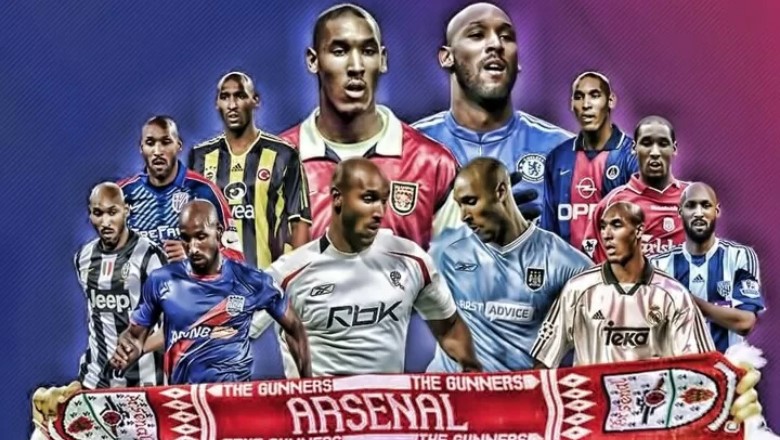
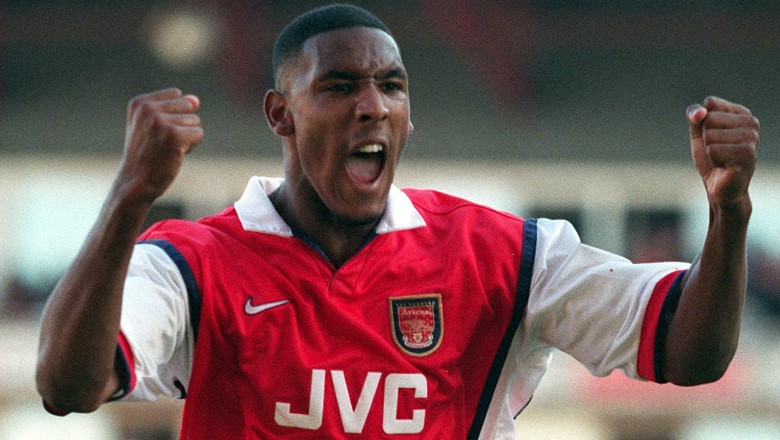
Arsenal: The rise of a teenage predator
After a brief start at PSG, Anelka arrived at Highbury in the 1997/98 season and immediately became the explosive catalyst for Arsene Wenger's tactical revolution. He was a terrifying blend of raw pace and icy composure, scoring 23 goals in 65 games. His performances were instrumental in Arsenal securing the historic 1997/98 Premier League and FA Cup Double, ending Manchester United's dominance.
While he won the PFA Young Player of the Year award, his growing desire for a move and a perceived lack of connection with the London lifestyle eventually led him away. His departure for a massive profit allowed Arsenal to fund their new training ground and sign Thierry Henry, but not before Anelka had left an indelible mark on the "Pháo thủ" history as their first true superstar of the Wenger era.
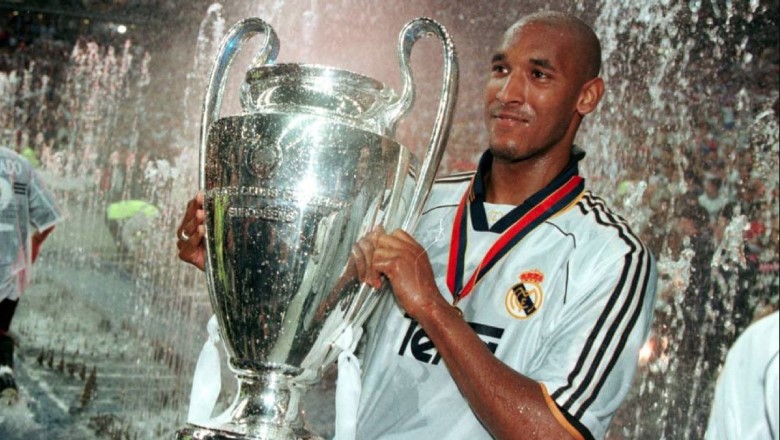
Real Madrid: Turbulence and European success
The move to the Spanish capital for the 1999/00 season was supposed to be the crowning moment of his young career. However, life at the Bernabéu was defined by a clash of personalities and a struggle to adapt to the "Galáctico" culture, particularly with coach Vicente del Bosque. Despite scoring only twice in the league and facing a high-profile suspension for a training ground dispute, Anelka proved his worth when the stakes were highest.
He scored vital goals in both legs of the Champions League semi-final against Bayern Munich, ensuring Real Madrid reached the final in Paris. By lifting their eighth European crown, Anelka proved that he could deliver on the biggest stage even when the internal environment was fractured.
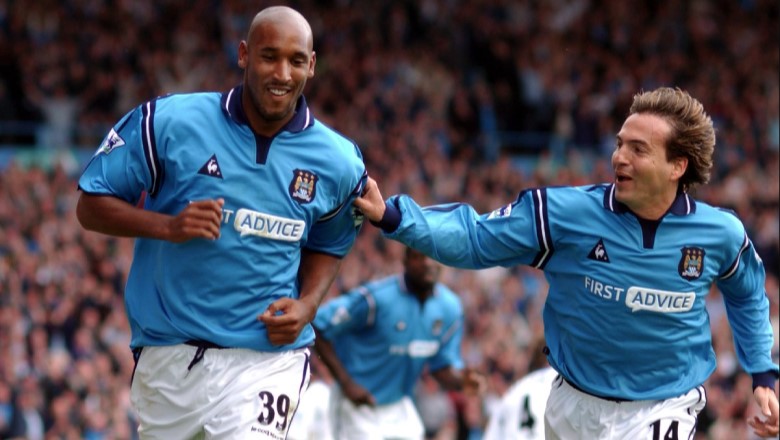
Manchester City: Re-establishing the clinical edge
Following a return to PSG and a short loan at Liverpool, Anelka found much-needed stability at Manchester City during the 2002-2005 period. Under Kevin Keegan, he was the undisputed focal point of the attack, netting 37 goals in 89 appearances. This era showed a more mature and reliable Anelka, one who could carry the heavy scoring burden for a team steadily climbing the Premier League ladder.
He was consistently the club’s top scorer and a fan favorite at the City of Manchester Stadium, proving that his predatory instincts remained sharp despite his frequent changes in environment and the lack of a superstar supporting cast.
Bolton Wanderers: The Big Sam rejuvenation
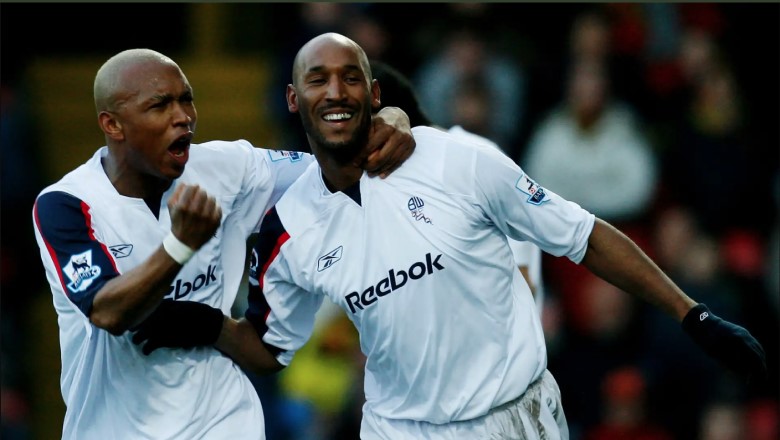
In what many considered a surprising move during the 2006/07 season, Anelka joined Bolton Wanderers. Under Sam Allardyce’s unique tactical setup, he found an unexpected new lease on life. He scored 21 goals in 53 matches, acting as the elite spearhead for a gritty, overachieving side that challenged the league's elite.
His time at the Reebok Stadium was a masterclass in professional reinvention; he sacrificed some of his solo flair to become a more complete team player. This phase showed that Anelka could dominate the league even without the luxuries of a top-four club, eventually forcing the giants of the game to come calling once again.
Chelsea: A final peak at Stamford Bridge
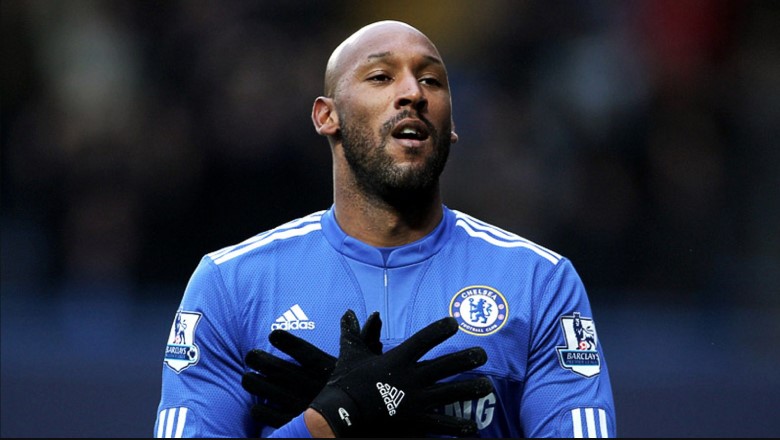
Joining Chelsea in the 2007/08 season led to the most successful period of his career in terms of both longevity and major accolades. He stayed at the club for four years, scoring 38 goals in 125 games. Highlights included winning the Premier League Golden Boot in 2008/09 and securing the historic Double in 2009/10 under Carlo Ancelotti.
Although he suffered the heartbreak of a penalty miss in the 2008 Champions League final, his telepathic partnership with Didier Drogba became one of the most effective and feared in the club’s history. Chelsea was finally the place where the "nomad" seemed settled, balancing his immense individual talent with consistent team success at the highest level of the game.
All the clubs that Nicolas Anelka played for in his career:
12 clubs, including:
Paris Saint-Germain (1996-1997; 2000-2002)
Arsenal (1997-1999)
Real Madrid (1999-2000)
Liverpool (2001-2002, on loan)
Manchester City (2002-2005)
Fenerbahce (2005-2006)
Bolton Wanderers (2006-2008)
Chelsea (2008-2012)
Shanghai Shenhua (2012-2013)
Juventus (2013, on loan)
West Bromwich Albion (2013-2014)
Mumbai City (2014-2015)
Understanding how many clubs did Nicolas Anelka played for reveals a career that was as much about personal exploration as it was about professional football. He was an enigma who chose to experience every facet of the beautiful game, from the glamour of Madrid to the rising leagues in Asia, rather than conforming to the standard path of club loyalty.
In a modern football landscape where updating news cycles through rumors at an exhausting pace, Anelka remains the ultimate pioneer of the transfer era. He was a player who could win anywhere, move on without looking back, and leave a measurable legacy of excellence at every single stop.
To stay ahead of the curve with the most recent updating news, live match trackers, and professional tactical analysis, make livescore808.mobi your go-to destination for everything happening in the world of global football.
The Most Popular
-
 How many months in a La Liga season? Inside the intense annual calendar of Spanish giants
 -
 Australia football team kit history: How the Socceroos changed their look over the decades?
 -
 5 France biggest losses in football history: Three of them came from an arch-rival
 -
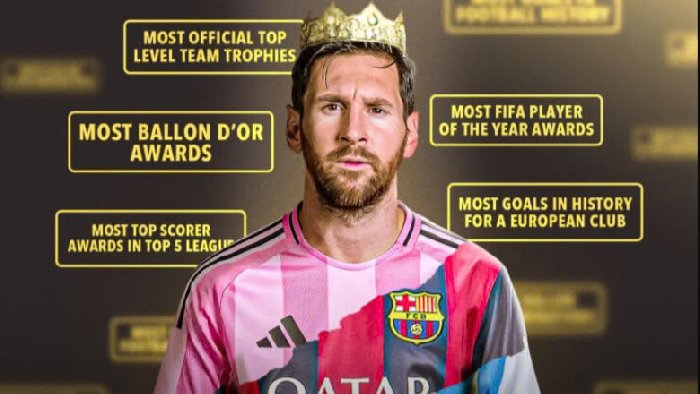 All Messi records that you need to know: The whole world El Pulga had conquered!
 -
 Top 17 players who played for both Chelsea and Arsenal: No.1 signing triggered a bitter lawsuit between two London clubs
 -
 What position does Neymar play? “Little Pelé” and the playing style behind a legend
 -
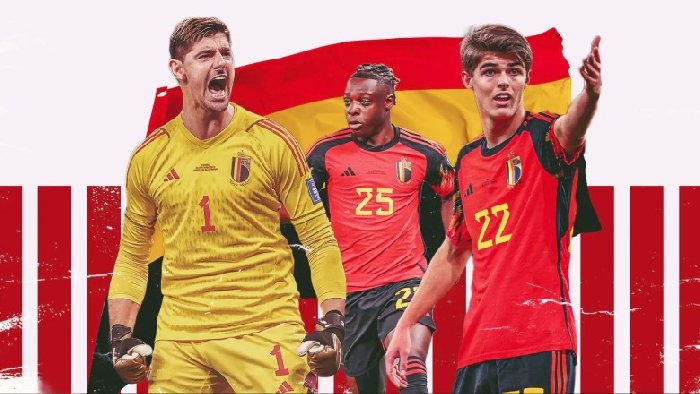 Belgium national football team players World Cup 2026: 10 Red Devil stars ready to steal the show this summer
 -
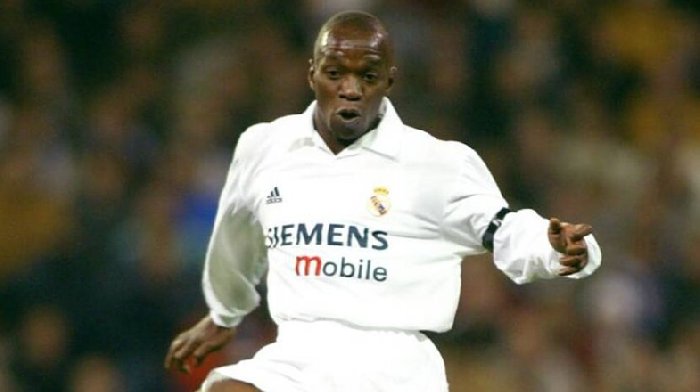 Why did Makelele leave Real Madrid? Zidane’s warning and the dawn of the first Galacticos downfall
 -
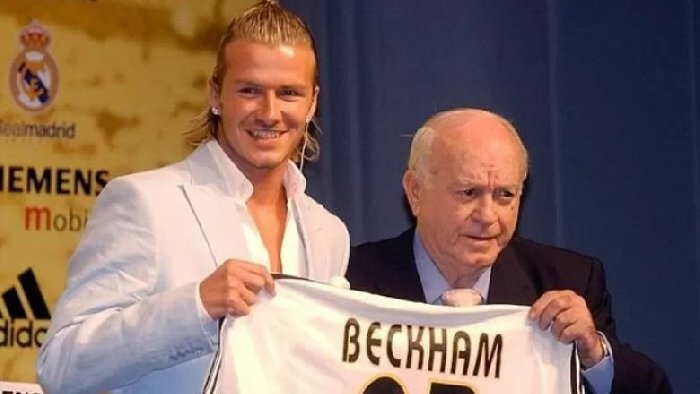 How much did Real Madrid pay for Beckham? Blockbuster signing with influence far beyond football
 -
 How much did Man City pay for Jack Grealish? The journey from England’s most expensive player to a forgettable flop