
Ranking 10 South Korea best football players: Son Heung-min finishes just behind a legend
South Korea is one of the few Asian nations that has consistently produced players capable of competing at the highest level. From early pioneers breaking into European leagues to modern stars dominating global competitions, each generation has pushed the boundaries a little further.
When discussing about the South Korea best football player, the conversation naturally stretches across eras. Some players defined their legacy through historic World Cup runs, others through longevity and consistency, while a few elevated Asian football’s reputation on the global stage. Each name represents a different type of greatness shaped by context and opportunity.
This analysis by livescore808 brings those eras together into one list. By looking beyond simple statistics and focusing on impact, achievements, and influence, it offers a clearer picture of how South Korean football has evolved through its greatest players.
10 best South Korea football players of all time
10. Seol Ki-hyeon
At a time when Korean players were still rare in Europe, Seol carved out a respectable career across Belgium and England. He played in the Premier League with Wolverhampton and Reading, but his most iconic contribution came at the 2002 World Cup, where he scored the equalizer against Italy in the Round of 16.
That moment shifted the momentum of the match and helped Korea reach the semi finals. Across his international career, he earned over 80 caps and provided a steady attacking option during a historic era.
9. Yoo Sang-chul
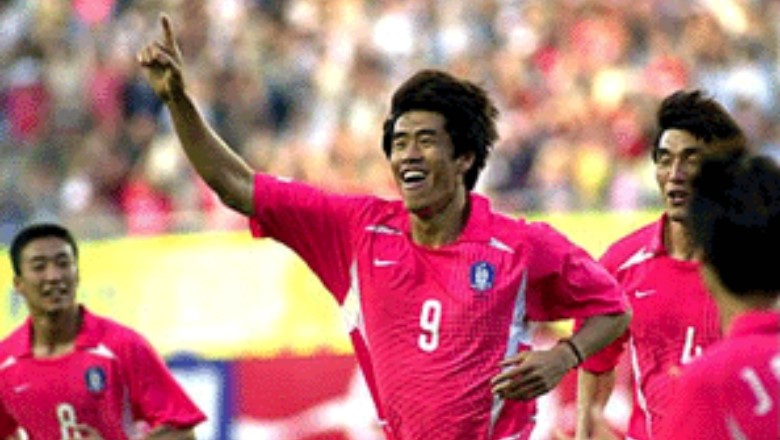
Few players embodied versatility like Yoo Sang-chul. During the 2002 World Cup, he played multiple roles, from midfield to defense, and still managed to score against Poland in the opening match. That goal set the tone for Korea’s entire campaign.
With over 120 caps, he was one of the most trusted figures in the squad. His ability to adapt tactically made him invaluable, especially in a tournament where flexibility became a key advantage. In 2021, Yoo died at 49 after suffering pancreatic cancer.
8. Lee Dong-gook
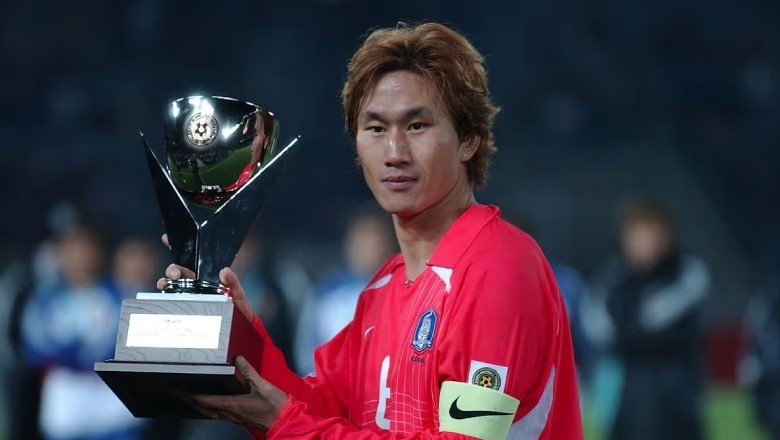
Longevity defines Lee Dong-gook’s career more than anything else. He scored 33 goals for the national team and remained active at club level well into his late 30s, winning multiple K League titles with Jeonbuk Hyundai Motors.
Despite missing out on the 2002 World Cup squad, he built his reputation over time as one of Korea’s most reliable forwards. His consistency across two decades makes him one of the most enduring figures in Korean football.
7. Hwang Sun-hong
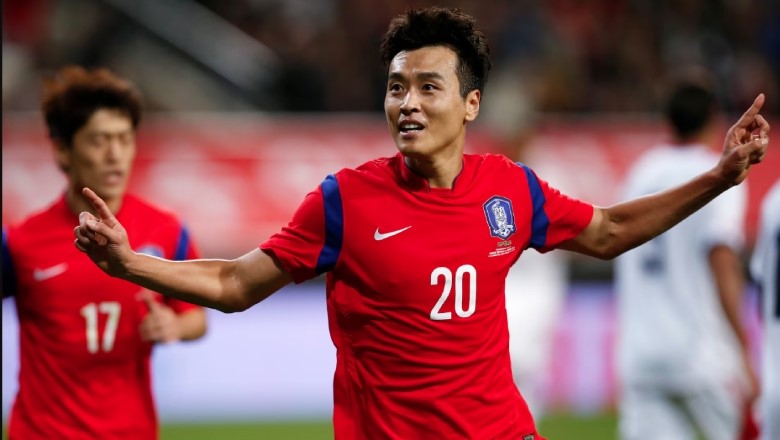
Before Korea’s rise in the 2000s, Hwang Sun-hong was already setting standards as a striker. He scored 50 goals in 103 international appearances, making him one of the top scorers in the country’s history.
His experience played a crucial role in the 2002 World Cup squad, even if injuries limited his impact on the pitch. Hwang’s influence goes beyond numbers, as he helped bridge the gap between older generations and the golden era that followed.
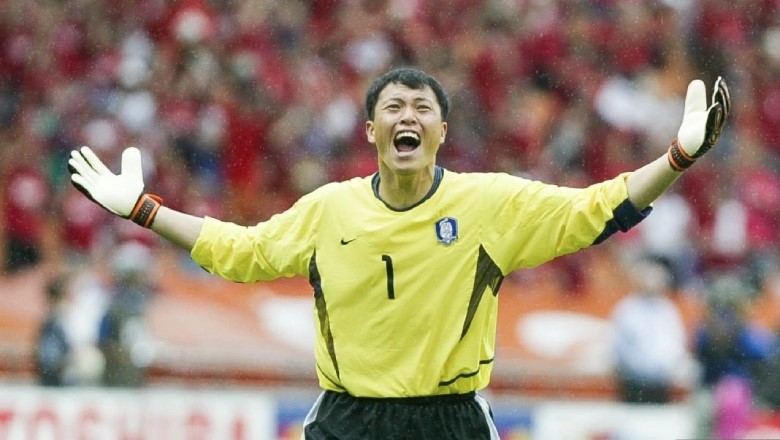
6. Lee Woon-jae
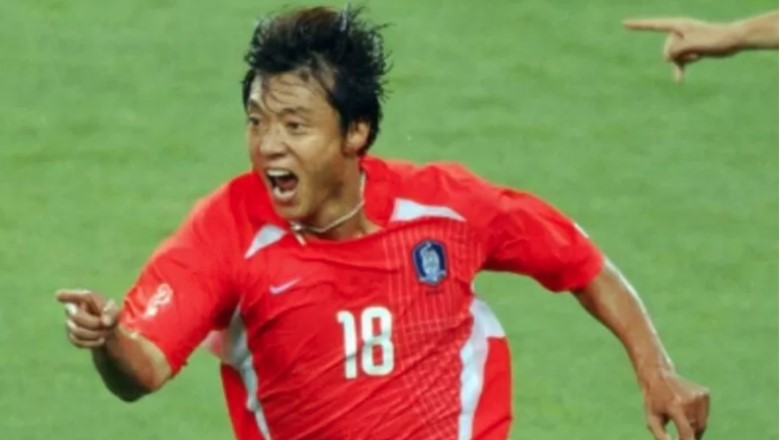
In high pressure moments, goalkeepers often define outcomes, and Lee Woon-jae delivered one of the most iconic performances in Korean football history. During the 2002 World Cup quarter final against Spain, he saved a decisive penalty that sent Korea into the semi finals.
With over 130 caps, he remained a consistent presence for years. His composure and ability to step up in crucial moments made him one of the most trusted goalkeepers the country has ever produced. He is currently working as goalkeeper coach of the Vietnam national team.
5. Lee Young-pyo
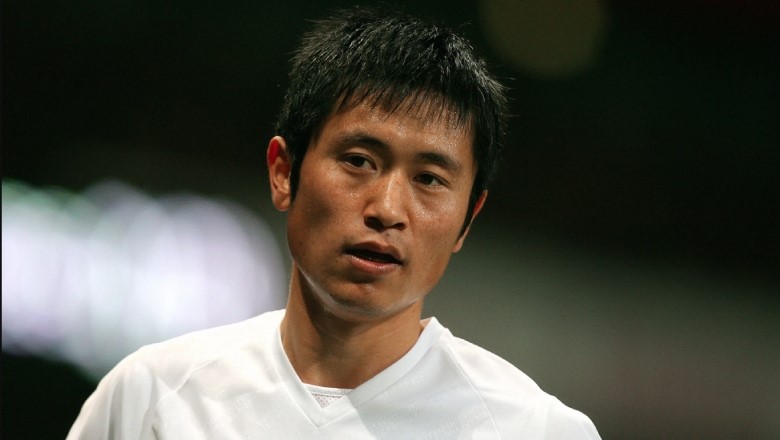
Consistency at the highest level is what sets Lee Young-pyo apart. He played in the Champions League with PSV Eindhoven, reaching the semi finals in 2005, and later moved to the Premier League with Tottenham. Known for his intelligence and positioning, he was rarely caught out of place.
For the national team, he was a key part of the 2002 World Cup run, contributing both defensively and offensively from the flank. Lee was considered one of the best full-backs all over Asia.
4. Hong Myung-bo
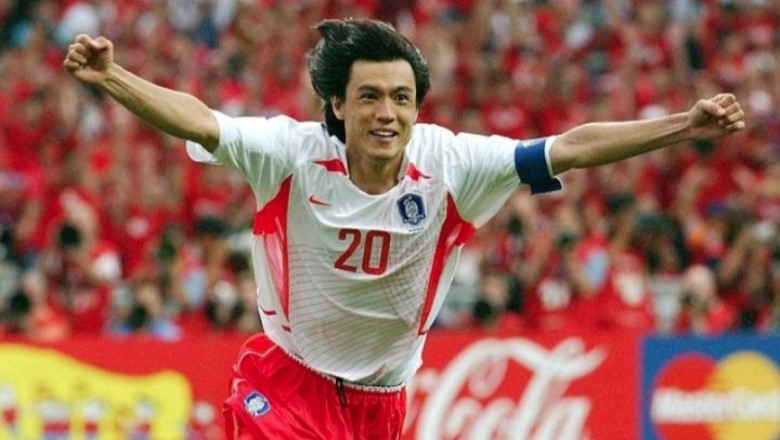
Leadership and composure defined Hong Myung-bo’s career. With 136 international caps, he was one of the most capped players in Korean history. He played in four World Cups and won the tournament's Bronze Ball in 2002, a rare achievement for a defender.
His ability to read the game and control the tempo from the back made him a central figure in Korea’s most successful era. Few players have influenced the national team as consistently as he did.
3. Park Ji-sung
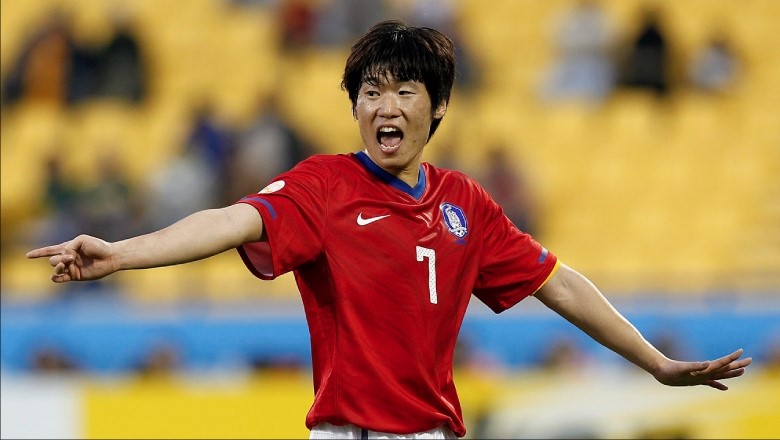
At Manchester United, Park Ji-sung became known for his relentless work rate and tactical intelligence. He won multiple Premier League titles and the Champions League in 2008, becoming one of the most successful Asian players in European football. At the moment, Park is still the only South Korean player to achieve Premier League trophy.
Sir Alex Ferguson often trusted him in big matches against top opponents. For Korea, he scored crucial goals in World Cups and served as captain, representing a generation that proved Asian players could thrive at the highest level.
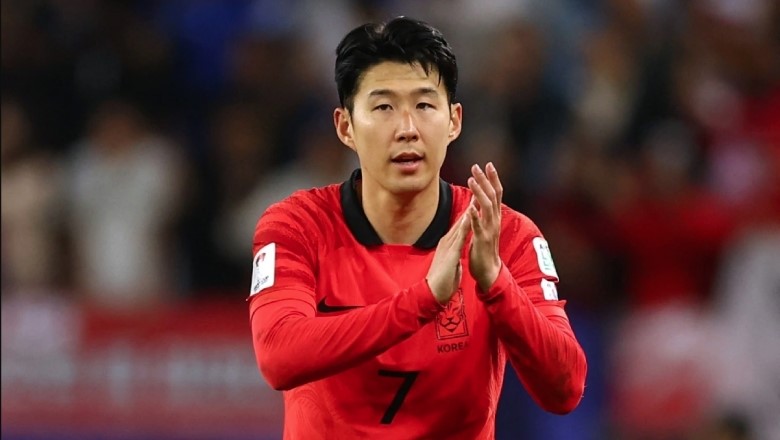
2. Son Heung-min
Modern football has rarely seen an Asian player reach this level of global recognition. Son Heung-min has scored over 100 goals in the Premier League and won the Golden Boot in the 2021/22 season. As Tottenham’s captain, he continues to lead both club and country.
His speed, finishing, and ability to perform in big matches have made him one of the most respected forwards in Europe. For many, he represents the peak of Korean football in the modern era. Son is currently playing for Los Angeles FC in MLS, and is being expected to lead the South Korean team once agian in 2026 World Cup.
1. Cha Bum-kun
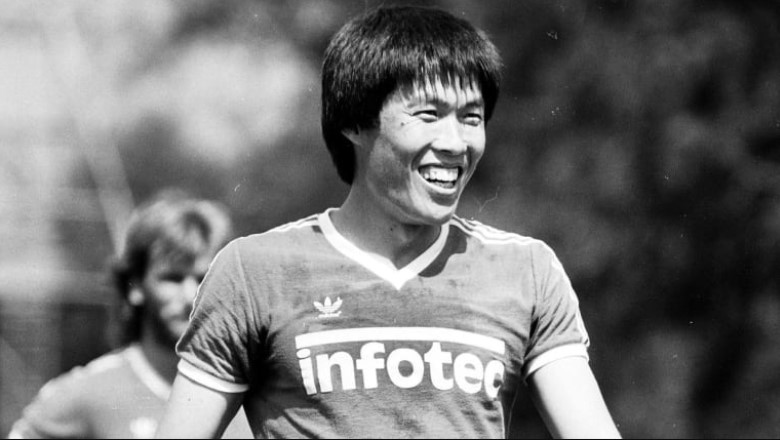
Long before Asian players became common in Europe, Cha Bum-kun was already succeeding at the highest level. He scored 98 goals in the Bundesliga and won the UEFA Cup twice with Eintracht Frankfurt and Bayer Leverkusen. Those achievements came at a time when Asian players were rarely given opportunities abroad.
With 58 goals for the national team, his impact goes beyond numbers. He laid the foundation for future generations, making him the defining figure in Korean football history.
10 South Korea best football players of all time:
1. Cha Bum-kun
2. Son Heung-min
3. Park Ji-sung
4. Hong Myung-bo
5. Lee Young-pyo
6. Lee Woon-jae
7. Hwang Sun-hong
8. Lee Dong-gook
9. Yoo Sang-chul
10. Seol Ki-hyeon
South Korean football has never relied on a single type of player. Some built their legacy through discipline and structure, others through skill and global recognition. What connects them is the ability to carry expectations beyond the pitch, representing not just a team, but an entire football culture.
As the game continues to evolve, new players will emerge and challenge these positions. But the foundation built by these names ensures that the conversation around greatness in Korean football will never lose its depth.
For those who want to follow football with more than just results, from form trends to sharper football predictions, livescore808.mobi offers a space where the game is broken down in a way that actually helps you understand what is coming next.
The Most Popular
-
 How many months in a La Liga season? Inside the intense annual calendar of Spanish giants
 -
 Australia football team kit history: How the Socceroos changed their look over the decades?
 -
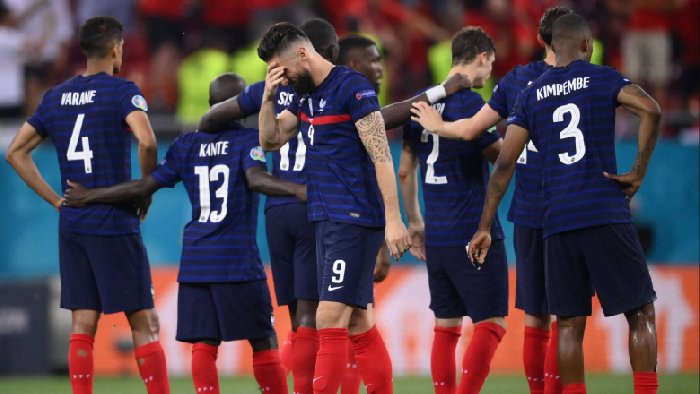 5 France biggest losses in football history: Three of them came from an arch-rival
 -
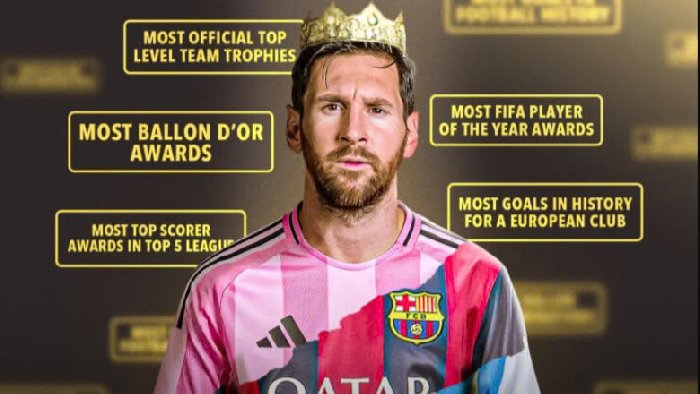 All Messi records that you need to know: The whole world El Pulga had conquered!
 -
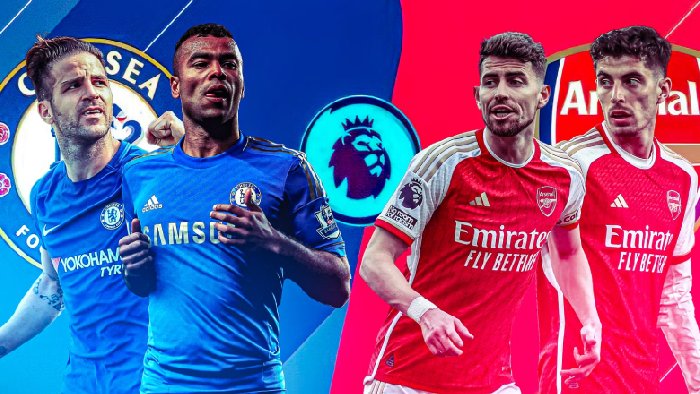 Top 17 players who played for both Chelsea and Arsenal: No.1 signing triggered a bitter lawsuit between two London clubs
 -
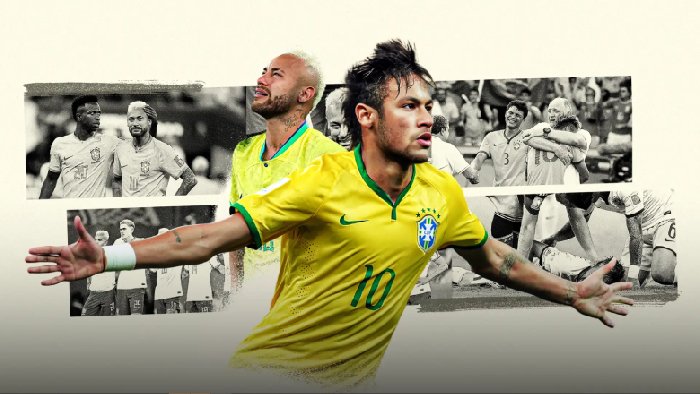 What position does Neymar play? “Little Pelé” and the playing style behind a legend
 -
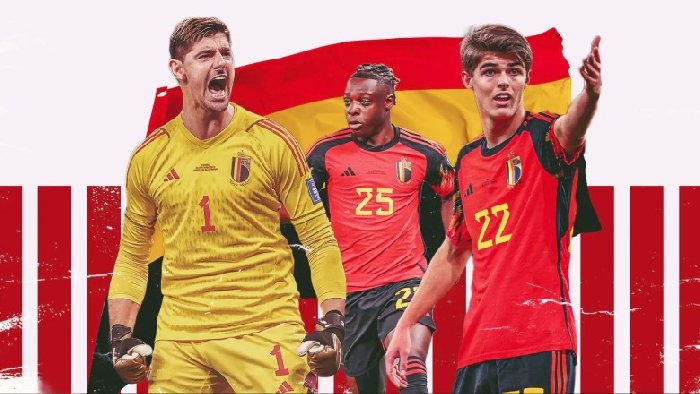 Belgium national football team players World Cup 2026: 10 Red Devil stars ready to steal the show this summer
 -
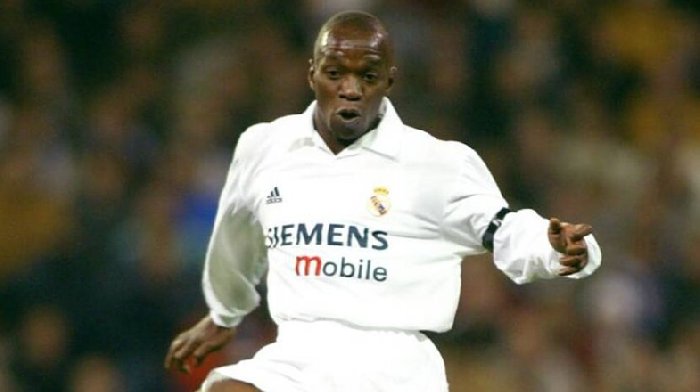 Why did Makelele leave Real Madrid? Zidane’s warning and the dawn of the first Galacticos downfall
 -
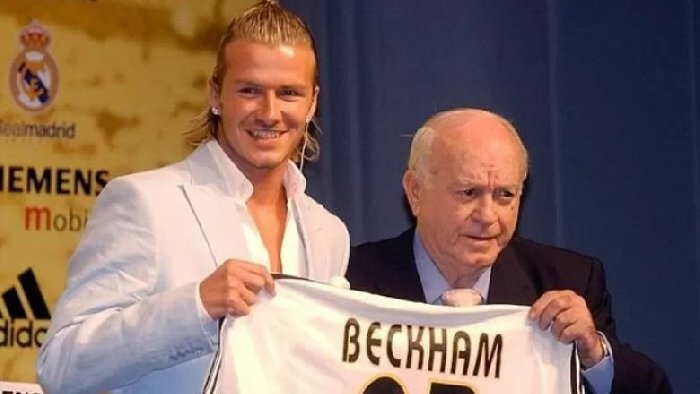 How much did Real Madrid pay for Beckham? Blockbuster signing with influence far beyond football
 -
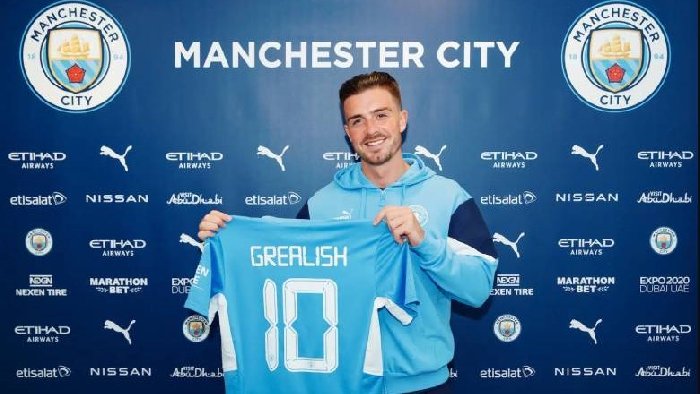 How much did Man City pay for Jack Grealish? The journey from England’s most expensive player to a forgettable flop