
How many months in a La Liga season? Inside the intense annual calendar of Spanish giants
The Spanish top flight, known globally as La Liga, is celebrated for its technical brilliance and the presence of some of the most storied clubs in athletic history. For enthusiasts who follow every matchday on Livescore808, a common point of interest involves the duration of the campaign and how many months in a La Liga season are actually dedicated to competitive play.
The scheduling of this league is a complex puzzle that must balance domestic fixtures, prestigious European nights, and international breaks. From the heat of late summer to the decisive matches of late spring, the Spanish football calendar dictates the lifestyle of millions of fans. This article explores the typical timeline of a Spanish campaign, the interruptions that define its pace, and the historical variations that have occasionally shifted the traditional boundaries of the sport.
How many months in a La Liga season?
A standard campaign in the Spanish top flight generally lasts for nine months. Under normal circumstances, the competition begins in the middle of August and concludes towards the end of May of the following year. This nine month window allows for the completion of 38 matchdays in which 20 clubs face each other twice.
For the 2025/26 season, the journey officially commenced on August 15, 2025, and is projected to finish on May 24, 2026. This duration ensures a consistent rhythm for the athletes while allowing the league to conclude before major international tournaments like the World Cup. While the active playing months are clearly defined, the actual footballing cycle often feels much longer due to the intense pre season preparations in July and the high stakes transfer windows.
The opening phase and summer heat
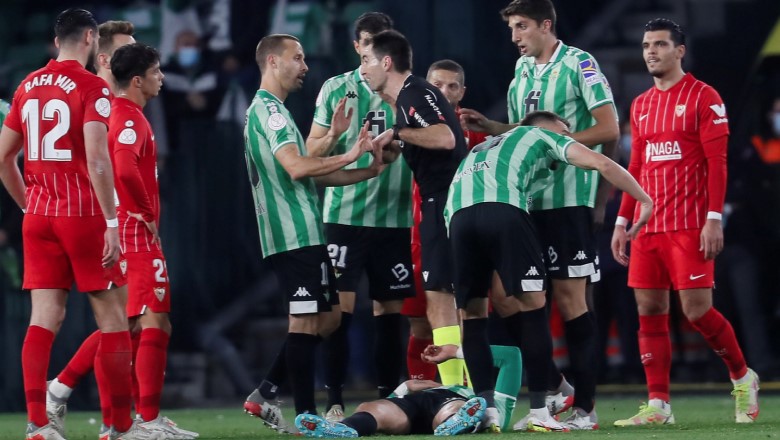
The journey typically commences in August. This starting point is carefully selected to ensure that the league can complete its first few rounds before the initial international break in September. Playing in August presents unique challenges in Spain, particularly in southern regions where temperatures can remain extremely high. To accommodate this, La Liga often schedules matches late in the evening to protect the health of the players.
The clubs often find themselves playing in sweltering conditions during these initial weeks. This opening month is vital for setting the tone of the title race, as early momentum often dictates which clubs will spend the rest of the year fighting for the top spots in the table.
The winter break and festive scheduling
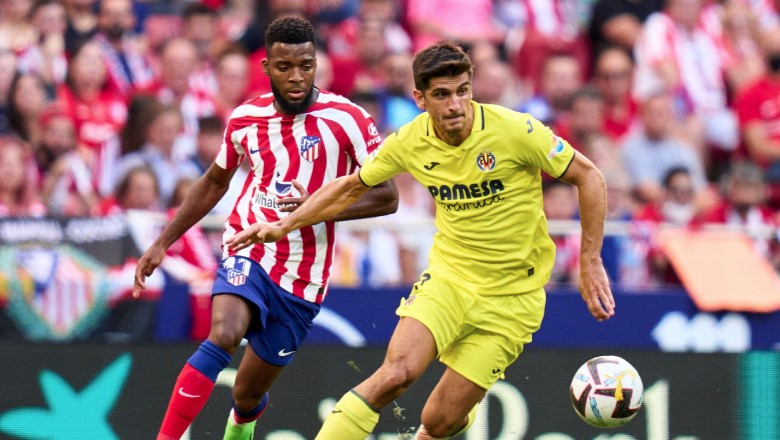
Unlike the Premier League, which is famous for its dense holiday schedule, the Spanish league traditionally incorporates a brief winter pause. This break usually occurs in late December, allowing players to spend time with their families and recover from the physical toll of the first half of the season. The competition typically resumes in the first week of January.
This winter period is a strategic part of the nine month calendar, as it provides a necessary reset before the intensity of the campaign increases. During January and February, the schedule often becomes more crowded as the Copa del Rey matches are played alongside the regular league fixtures. Giant clubs like Real Madrid or Barcelona must utilize their full roster to navigate this congested period.
The spring run in and the final whistle
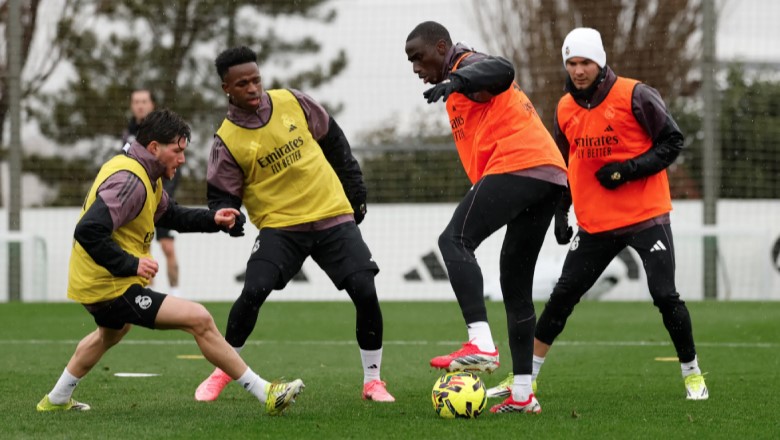
The climax of the season occurs during the spring months of March, April, and May. This is the period where the title is won, European places are secured, and the threat of relegation becomes a mathematical reality. The intensity of the matches during these final three months is unparalleled. Teams must manage their fitness levels while competing in the knockout stages of European competitions.
The final matchday in May is often a synchronized event where all critical games are played at the same time to ensure sporting integrity. In May 2026, the league title remains the ultimate prize as the final rounds determine the legacy of the top competitors. By the time the final whistle blows in late May, the players have navigated a grueling nine month journey.
Factors that influence the season length
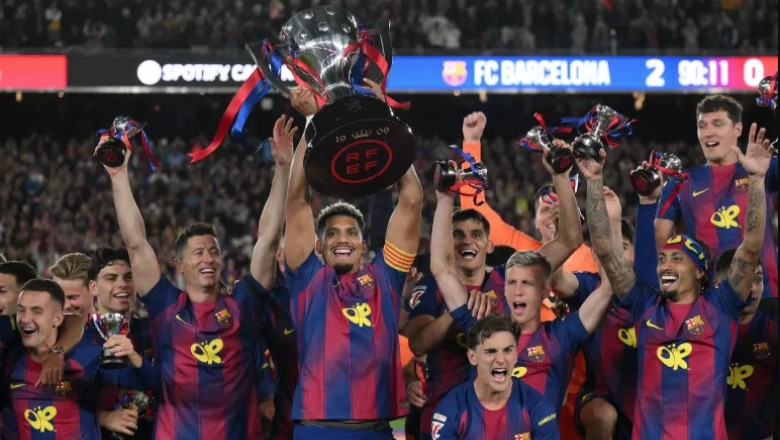
While nine months is the standard duration, several factors can occasionally alter this timeline. Major international tournaments like the FIFA World Cup can force the league to start earlier or incorporate longer mid season pauses. Furthermore, the Spanish football federation must coordinate with UEFA to ensure that domestic matches do not conflict with the Champions League or Europa League schedules.
Historical examples show that events like the 2022 World Cup pushed the season to expand its boundaries. These logistical requirements mean that the exact start and end dates can shift by a few weeks each year, though the core nine month structure remains the preferred model for maintaining athlete performance and fan engagement.
The importance of the nine month marathon
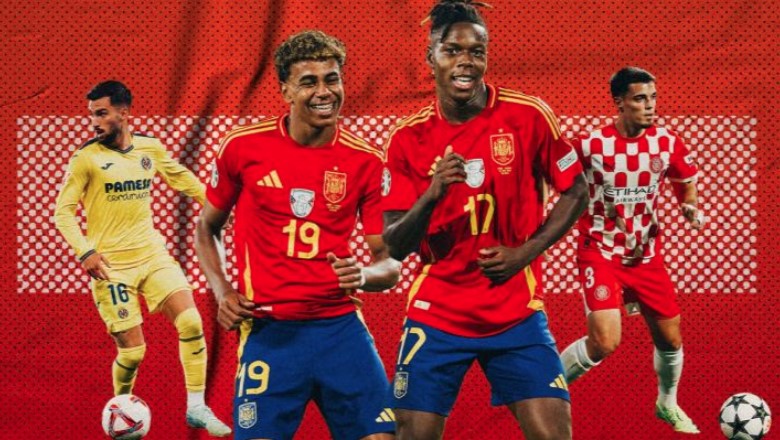
The length of the season is designed to prove which club is truly the best in Spain over a significant period of time. A shorter competition might favor teams with explosive starts, but the nine month format requires tactical flexibility and mental strength. Coaches at major institutions like Valencia or Real Sociedad must navigate injuries, suspensions, and fluctuations in form across different seasons.
This duration also benefits the commercial side of the sport, as it provides nearly year round content for broadcasters and sponsors. For the supporters, the nine month cycle creates a sense of tradition and expectation, making the return of football in August a highly anticipated event every single year.
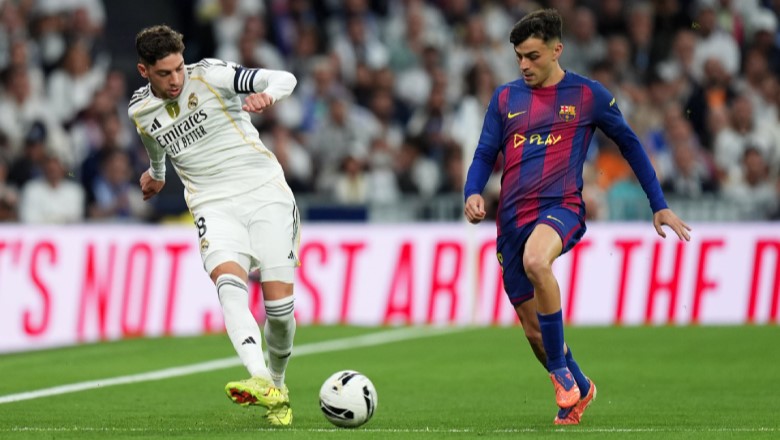
The answer to how many months in a La Liga season is a reflection of the sport's balance between tradition and modern requirements. The standard nine month journey from August to May ensures that the competition remains the ultimate test of a club's quality.
As documented in this article, this calendar allows for the drama of 38 matchdays to unfold at a pace that keeps the world captivated. Whether the race is decided early by a powerhouse or goes down to the final minute of the final month, the structure of Spanish football remains a gold standard for professional leagues around the globe.
For the most accurate football predictions and live updates throughout the nine month Spanish campaign, visit livescore808.mobi to stay ahead of the game!
The Most Popular
-
 Australia football team kit history: How the Socceroos changed their look over the decades?
 -
 5 France biggest losses in football history: Three of them came from an arch-rival
 -
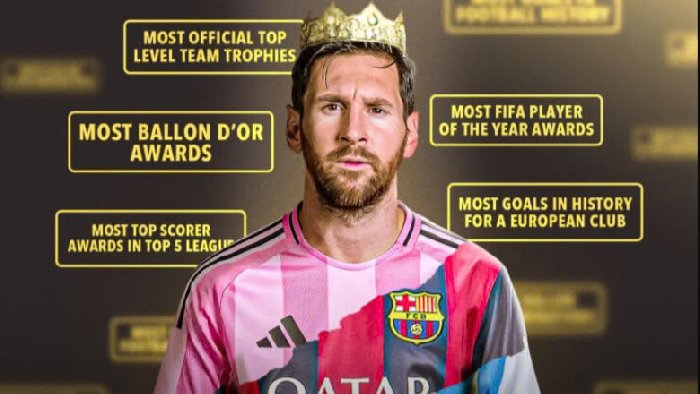 All Messi records that you need to know: The whole world El Pulga had conquered!
 -
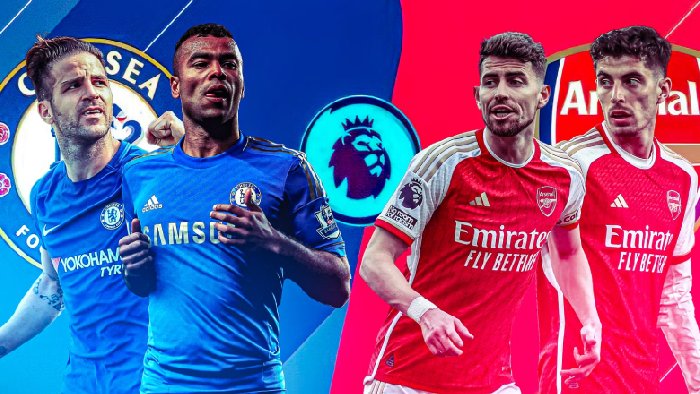 Top 17 players who played for both Chelsea and Arsenal: No.1 signing triggered a bitter lawsuit between two London clubs
 -
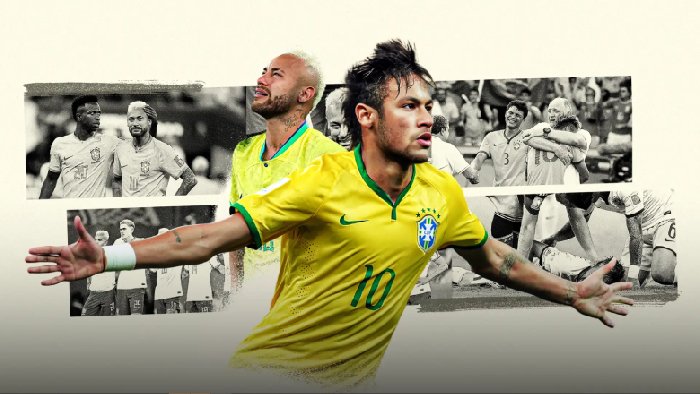 What position does Neymar play? “Little Pelé” and the playing style behind a legend
 -
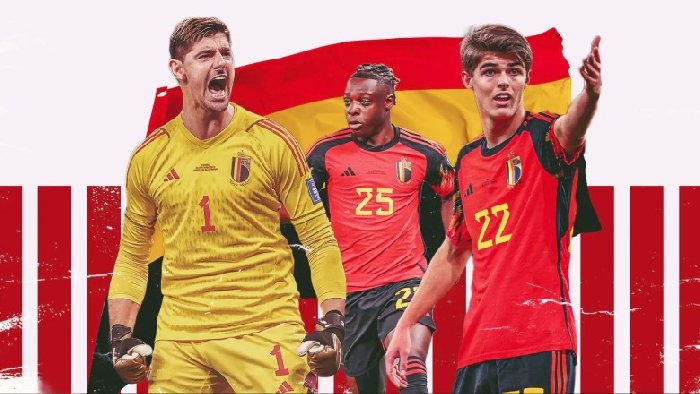 Belgium national football team players World Cup 2026: 10 Red Devil stars ready to steal the show this summer
 -
 Why did Makelele leave Real Madrid? Zidane’s warning and the dawn of the first Galacticos downfall
 -
 How much did Real Madrid pay for Beckham? Blockbuster signing with influence far beyond football
 -
 How much did Man City pay for Jack Grealish? The journey from England’s most expensive player to a forgettable flop
 -
 How much did PSG pay for Neymar? The record that world football still hasn’t managed to break